Cause for Cause and Effect Play

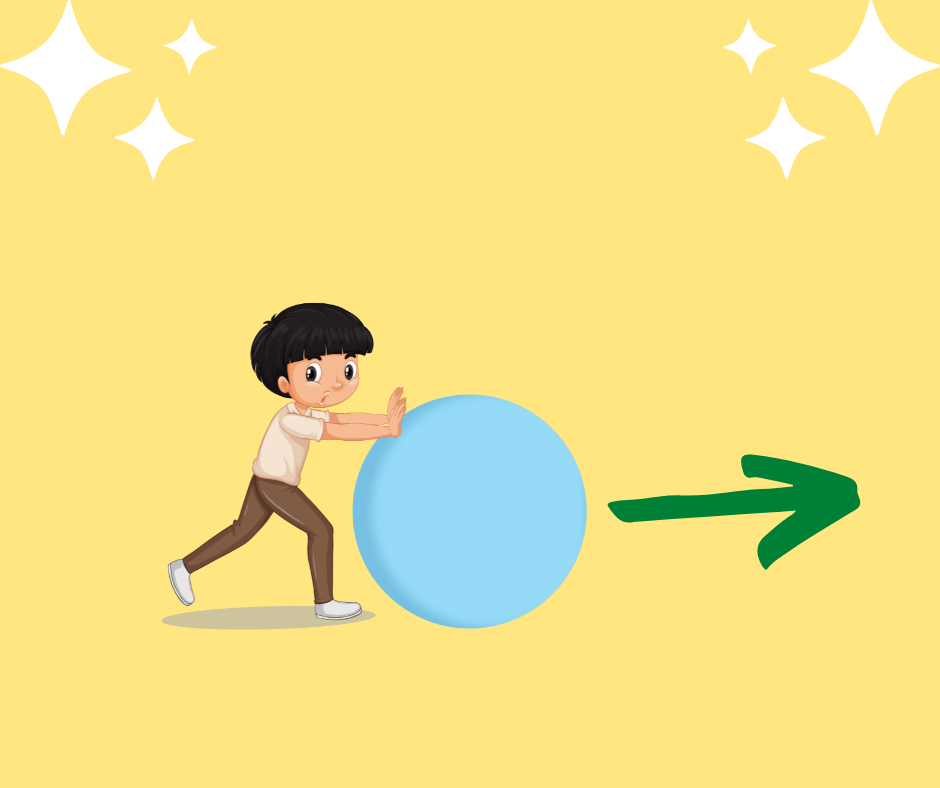
There are many ways for children to grow and learn that they come across every day, from social opportunities to basic life skills. Play skills are another means of learning. Cause and effect play is a fundamental development opportunity that has some good reasoning for encouraging your little one to play this way!

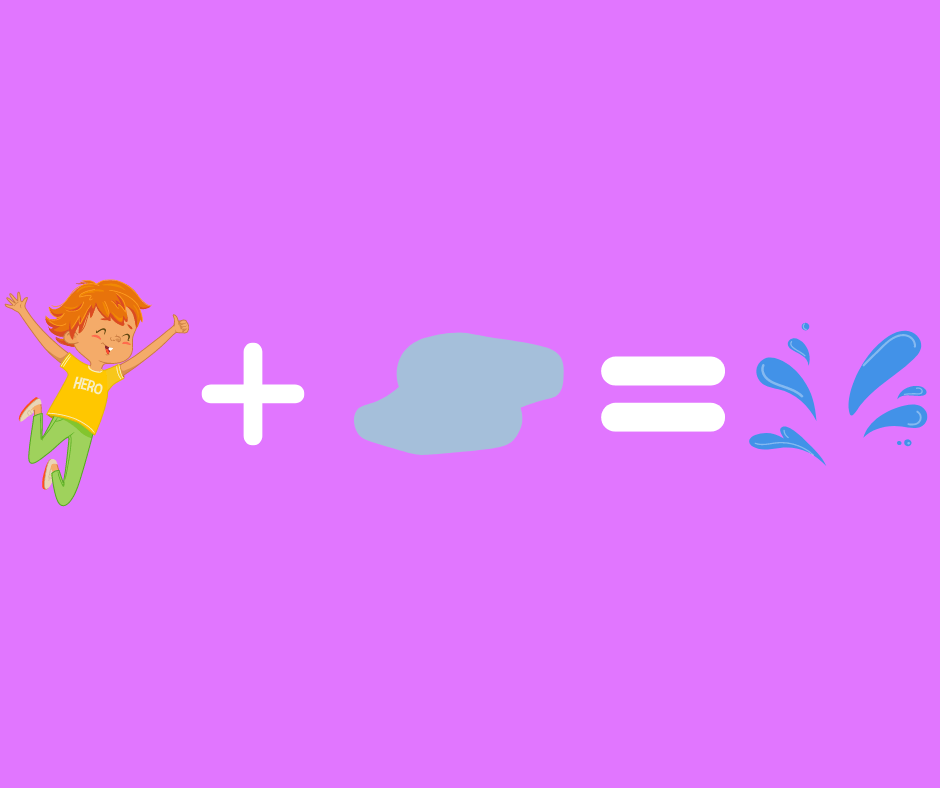
One of the nice things about cause and effect play is how easy it is to do. There are definitely a lot of toys available to engage in cause and effect play, but it can be as simple as your kiddo pressing your nose then you make a silly face. As long as there’s an action and response, you’re getting cause and effect. There are opportunities everywhere for cause and effect play as well, because the world works through cause and effect. Dropping a ball and it bouncing is a cause and an effect. Jumping in a puddle and the splash after is also a cause and an effect. This leads into another benefit of this type of play.
With the world functioning through cause and effect, this kind of play for your little one serves as a means of learning about how the world around them works. It’s an opportunity to explore relationships between actions and responses. Building these connections is actually the foundation of jumping into science, so cause and effect play can be a very educational resource.
The simplicity of cause and effect play has an additional benefit: repetition! The ease of doing a simple action and getting an immediate response encourages repetition which aids in your child’s development. That repetition is practice, which depending on the specific cause and effect activity can work on gross motor, fine motor, or hand-eye coordination. Plus, the chance to try something and see a quick result develops problem solving skills which ties into scientific foundations.

Playing with your child is always a treat. With cause and effect play there can be some amazing results all while having a ton of fun!
Art Tips for Kiddo’s First Time

Art is a fantastic way to stimulate your child! It is a great activity, because you’re able to develop multiple skills at the same time. Art encourages brain development through executive function along with cause and effect, as well as improving motor function. These are just a few of the benefits of art for your little one according to Baby Sparks, who addresses more positives of art here: https://babysparks.com/2019/02/15/developmental-benefits-of-baby-toddler-art/. With benefits like that, getting your child to try art sounds terrific! Sometimes little buddy needs some encouragement though, so here are a few tips to get kiddo started:

Start Slow

With art being a more sensory heavy activity, it can easily get overwhelming for some kiddos. A negative experience early on could make it more difficult to get into any activity later down the line, art included. Ensuring a happy experience should always be the goal, and there are a number of ways to home in on the fun. Keep it simple by perhaps offering just one or two colors to use the first-time painting or start with just a blank paper instead of a design to allow for more open exploration. Starting slow can help reduce the chance of being overwhelmed.

Branch Out

Trying several different means of art gives your child more opportunities to explore and is a way for both of you to figure out what they like. They may prefer the texture of holding chalk to a paintbrush. Or building a craft may be more appealing than all of the color-based choices. Providing those chances to experiment and try new things is a great way to get little one curious in art.

Celebrate!

Like with all things, your child will be looking to you for guidance. This is an excellent chance to show them that art, their art especially is amazing! Praise them for the wonderful work they did. Be specific to really show how great their art is (“Wow! The red roof looks great with the blue house!”) Find chances to talk about art outside of personal projects. Openly bring attention to art hanging at school or read books about art. Celebrating the beauty of art around you as well as the beauty of your child’s work will build an environment where art is a wonderful thing!

Art is a fantastic recreation with some incredible benefits like motor development. However, getting involved in new things can be difficult and maybe even a little scary for kiddo. Taking the time to start slow, branch out, and celebrate can make a huge impact on your little one and get them comfortably started in any activity including one as beneficial as art.

Tips for Getting Kiddos Active

Exercise and wellness are important pieces for everyone’s lives. It’s always good to start building the importance of these blocks early on in your child’s life. Beyond the many physical benefits like fine motor improvement and lung health, exercise is good for brain health. There are a number of studies and articles showing the benefits of physical activity for the brain, like this one: https://activelivingresearch.org/sites/activelivingresearch.org/files/ALR_Brief_ActiveEducation_Jan2015.pdf which talks about increases in attention and memory among other positives. Here are some tips to get your little one movin’ and groovin’!

Model

You are the ultimate role model for your child! They will always be looking to you for how the world around them works and how they should work within the world. Modeling healthy habits is an excellent way to get your kiddo active and enjoying it. Seeing you do that home workout will encourage them to be active too. It doesn’t need to be limited to home either; take them for a walk or to go play at the park. Initiating that active play with your child sets a great example too!

Be Creative!

Fitness is so much more than how much stuff you can move or how fast you can run! It all breaks down to getting moving in some way or another. Finding unique ways to do that adds to the fun for your little one. Coming up with a fun variation of tag where perhaps you have to skip or walk backwards is a silly and simple way to reinvent an activity to keep it engaging.

Build on Other Interests

Having an active lifestyle is just that: a lifestyle! Incorporating it into other hobbies or interests is a great way to build those healthy habits. If your child likes music, you can create a fun playlist to go along with some climbing time. Maybe they really enjoy coloring; you can bring it outside with some chalk and make an “obstacle course”. Combinations like those can keep physical activities from feeling “forced” and help them be that much more fun!

A healthy kid is often a happy kid! Taking the time to work in some working out will be hugely beneficial for your child. Brain development and heart health are among the several areas that reap the rewards of physical activity. Setting the example through modeling, adding some flavor with creativity, and making it special through other interests will help get your little one on the move and towards a healthier day to day life.